
Acceptable debt ratios vary widely across industries, making cross-industry comparisons less meaningful. The debt ratio is a snapshot of a specific time and may not reflect the company’s long-term financial trends or seasonal variations. A debt ratio of 0.5 means that 50% of the company’s assets are financed by debt. A debt ratio of 1 would indicate that the company has equal amounts of debt and assets, while a ratio greater than 1 would indicate that the company has more debt than assets. Moreover, the debt ratio doesn’t provide a complete picture of a company’s financial health. It should be used in conjunction with other financial ratios and indicators to make a comprehensive assessment of a company’s financial position.
Operating Income: Understanding its Significance in Business Finance
This figure can be interpreted through the lens of where a company is in its operating cycle. Another factor that may influence what constitutes a “good” current ratio is who is asking. Mature companies, on the other hand, tend to have lower D/E ratios due to established revenue streams. They’ve had time to build a steady income and can manage their debt more effectively. As you evaluate your company’s debt-to-equity (D/E) ratio, it’s essential to consider its growth stage.

Investors:
Please ensure you fully understand the risks and take appropriate care to manage your risk. Trading financial products on margin carries a high risk and is not suitable for all investors. Ensure you fully understand the risks and take appropriate care to manage your risk.
Business Insider tells the innovative stories you want to know
When the value is 1 or more, it depicts the tight financial status of the firm. A higher value will mean the entity is more likely to default and may turn bankrupt in the long run. The first group is the company’s top management, which is directly responsible for the expansion or contraction of a company. With the help of this ratio, top management sees whether the company has a debt ratio of 0.5 indicates: enough resources to pay off its obligations. Given its purpose, the ratio becomes one of the solvency ratios for investors. This is because the value derived helps them understand how likely those entities are to go bankrupt in the event of consecutive defaults.
- Debt ratio types can be overwhelming, but understanding the basics is a great place to start.
- It can be negative or positive depending on the business activities of the company.
- The ratio also lets them assess how fruitfully a company uses its debt to build and expand its business.
- For this reason, investors need to know if a company has sufficient assets to cover the costs of its liabilities and other obligations.
- However, what determines a healthy level of financial risk also depends on several other variables such as business models, industry dynamics, and cash flow profiles.
- They are potentially attractive to conservative investors who prioritize capital preservation over high returns.
- It shows the proportion of a company’s assets that are financed by debt.
How does the current ratio differ from the quick ratio?
- This measures the proportion of total liabilities to total assets owned by the company.
- As such, it makes sense that they can carry a higher relative debt load.
- For example, traders might choose to short stocks of companies with high debt ratios, anticipating potential price declines.
- A lower DAR indicates a better ability to repay debt and a stronger financial position.
- Based on the evaluation, they decide whether it would be beneficial for them to invest in it.
- This increased risk can lead to stock price volatility, which traders need to be aware of.
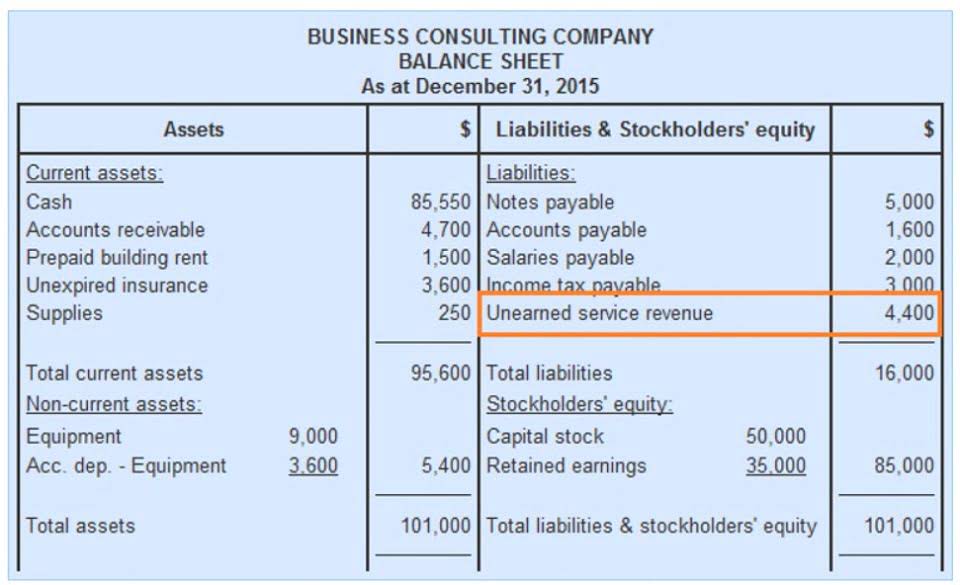
Let’s say you have 600,000$ in total assets and 150,000$ in liabilities. To calculate the debt ratio, divide the liability (150,000$ ) by the total assets (600,000$ ). Since this is less than 1, this is considered a low-risk debt ratio and you may go for that much longed-holiday or even seek financial assistance from a bank to pay for your vacation.
Types of Debt Ratios

It helps investors make sound choices that are more likely to bring them a return on their investment. The ratio also acts as a tool that informs a business of its current financial position so it takes action to reduce debt. Some industries may have higher ratios of debt to equity than others, and some companies may have a higher tolerance for debt than others.

Understanding Debt Ratio: Definition and Explanation
Leading companies and financial institutions worldwide rely on Quartr to make better decisions faster. Track the value of your assets and depreciation with Debitoor accounting & invoicing software. Put the details in the respective boxes and calculate the ratio instantly. A Liquidity Ratio that is consistently below 1.0 may also be an http://sustrans.no/2022/03/14/five-digit-chart-of-accounts/ indication of financial distress and could lead to bankruptcy or insolvency in the near future. The “ideal” Liquidity Ratio is highly dependent on the industry and type of business.

Demystifying Debt Ratio: Assessing Financial Health
When assessing the financial health of a company or an individual, one crucial financial metric to consider is the debt ratio. The debt ratio, also known as the debt-to-assets ratio, provides valuable insights into the proportion of debt a business has in relation to its total assets. In this article, we will delve into the concept of the debt ratio, explore what constitutes a good debt ratio, and identify when a debt ratio becomes too high. To find the debt ratio for a company, simply divide the total debt by the total assets. The debt ratio plays a vital role in helping assess the financial stability of a firm, given the number of asset-backed debts it possesses. It compares the total debt with respect to the company’s total assets and is represented as a decimal value or in the form of a percentage.
- The DTI ratio is calculated by dividing total monthly debt payments by gross income.
- Different industries have varying standards for acceptable debt ratios.
- Yet, in a recession or a downturn, even firms with a low debt ratio can struggle.
- A debt ratio does not necessarily indicate whether a company is financially healthy or not, it just one of the indicators used to assess a company’s financial leverage.
- Unlock returns on your money with seamless access to your funds whenever your business needs it.
- A debt ratio of 0.5 means that 50% of the company’s assets are financed by debt.
Therefore, considering both ratios is essential to understand your company’s short-term solvency accurately. The cash ratio is the most stringent of all Liquidity Ratios and measures a company’s ability to pay off its short-term debt with only cash or cash equivalents. To calculate this ratio, divide a company’s total cash and cash equivalents by its total current liabilities. Balancing off Accounts Different types of Liquidity Ratios provide insight into various aspects of a company’s position, from quick ratio to cash ratio and more. This means that 37.5% of the company’s assets are financed by debt, providing insight into its financial leverage and risk level. The current ratio evaluates a company’s ability to pay its short-term liabilities with its current assets.
