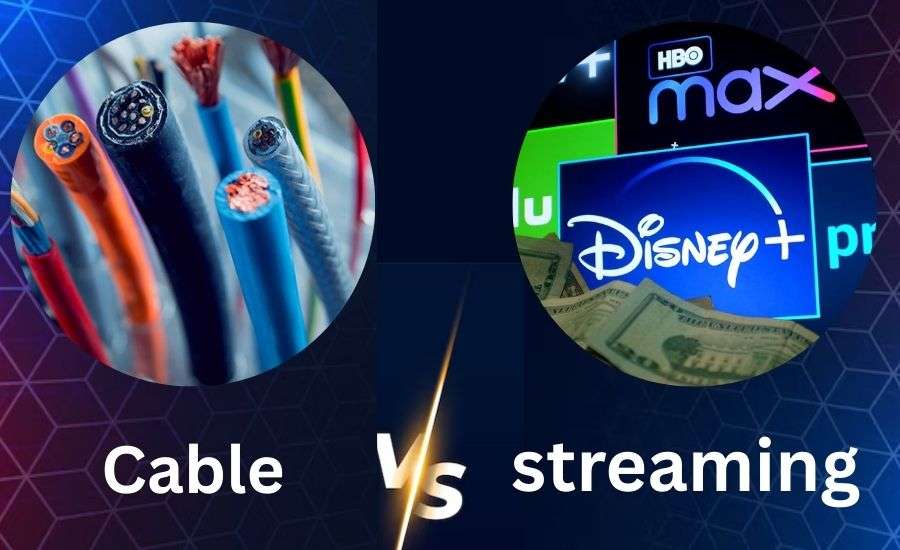
With the emergence of streaming services, cable TV service is no longer popular among users residing across the United States. This means users are preferring streaming services like Netflix, Hulu, etc. over cable services to view their favourite movies and shows. The key difference between cable vs streaming is that you can choose your favourite channel like Amazon Prime Video but cable offers a set of channels without your choice. To acknowledge the major difference between streaming vs cable, you need to go through this article.
How Does Cable-Cutting Work?
Cable-cutting has become popular across the United States as more than 5% families removed the cable connection by 2024. This style is rising increasingly as surveys are suggesting that cable-cutting is trending among half of the TV subscribers.
Once you terminate your cable TV package, you have to register for various broadcasting services along with Internet plans to obtain a similar amount of content you would have from cable. Cable-cutting suggests various streaming subscriptions like Disney+, Hulu, Netflix and others. While selecting streaming subscriptions, differentiate between premier features, costs and content deals to assure the excellent worth for your necessities.
What is the Major Difference Between Traditional TV vs Streaming Services?
The major distinction between cable vs streaming is how content is viewed and provided. With a cable connection, you can access a bundle of channels with scheduled streams and events. Without a DVR, you can have little control while watching shows. Cable plans combine multiple channels together with no interest and need multiple devices like cable boxes to air content.
View your favourite show or movie via streaming services accessible with the Internet. Despite a fixed channel list, you can select from big content libraries at any time with ad-skipping alternatives at no extra charge. Streaming TV provides better versatility by accessing content on several devices like phones, smart TVs, tablets, etc, without setting up a cable box.
| Feature | Cable | Streaming |
|---|---|---|
| Monthly Cost | $55 to $250 per month | $50 to $75 per month |
| Cost Changes | Quick but consistent | Stays stable with irregular changes |
| Channels | 50 to 400+ | 30 to 100+ |
| Content | Fixed | On-Demand |
| Contract | 1 to 3 Years | Month to Month |
| Device Compatability | Limited based on the provider | More accessible |
| Video Quality | 720p or 1080p | 4K, 720p or 1080p |
Pros and Cons of Cable TV and Streaming Services
Cable vs streaming services are two major ways to view your favourite series, shows or movies at home. Cable provides fixed channel lists over a cable connection whereas streaming utilizes the Internet to provide on-demand movies and shows on different devices. Your top choice relies on live sports necessities, funding, channel variety and robust Internet connectivity.
Pros of Cable TV
- An efficient image that never relies on your Internet speed.
- Excellent for news, live games and regional channels.
- Easy and single-channel bundle for the complete family.
Cons of Cable TV
- More costly compared to streaming alternatives.
- Long-duration contracts and device rental charges.
- Less versatile for paid channels you never view.
Pros of Streaming Service
- View anywhere, anytime on TVs, laptops or phones.
- Affordable with no lengthy agreements.
- Individual content choices and big on-demand libraries via the Internet and TV deals.
Cons of Streaming Service
- Needs a stable and quick Internet connection or you will experience lagging and buffering.
- May require several apps to obtain all favourite games and channels.
- Content revolves and a few events are secured to specialized portals.
Key Comparisons Based On Content Availability, Quality and Reliability and Price
Streaming vs Cable Cost Comparison
You need to include all charges while differentiating between cable vs streaming services.
- As TV streaming seems cost-effective, prices for various subscriptions, involving premier channels, DVR and local programming make it expensive. As per the latest report from a popular authority, 3 out of 4 users across the United States have a single or more TV streaming subscriptions while 53% have almost three. To handle all these TV subscriptions can be an extra task.
- Cable TV packages provide no hidden contracts or charges. Choose the package with features and channels you require that involve premier channels, DVR and local programming.
Quality and Reliability
- TV airing depends more on your Internet connectivity. Steady interventions or speeds can disturb your watching experience.
- Cable TV provides continuous image quality during high usage time, so you need to concern about ignoring lagging or buffering during your on-demand live games show.
Content Availability
- Cable TV involve a bundle of content like premier movie channels, local news channels and live TV sports lovers.
- TV streaming portals need different subscriptions for premier or live content that makes it less reliable for those who experience dynamic programming.
Streaming and cable services have more potential but airing results in cost-effectiveness, versatility and on-demand enjoyment. Cable still lies in live programming and efficiency, such as news and games. The top option relies on user priority; those searching for comfort and variety may choose airing whereas watchers preferring live coverage and stability may prioritize cable. To know more about the Internet and TV packages, get in touch with the Club HDTV customer care number.
FAQs
Ans. Cable provides permanent channel bundles with scheduled shows whereas streaming offers your favourite movies and shows accessible anytime with the Internet.
Ans. Broadcasting is cost-effective per month but various subscriptions can exceed full prices.
Ans. Yes, but live games need various apps or subscriptions.
Ans. Cable needs wiring and cable boxes while streaming functions on multiple internet-attached equipment without additional hardware.